Rebounder Workouts for Weight Loss: Fun, Low-Impact Cardio That Works
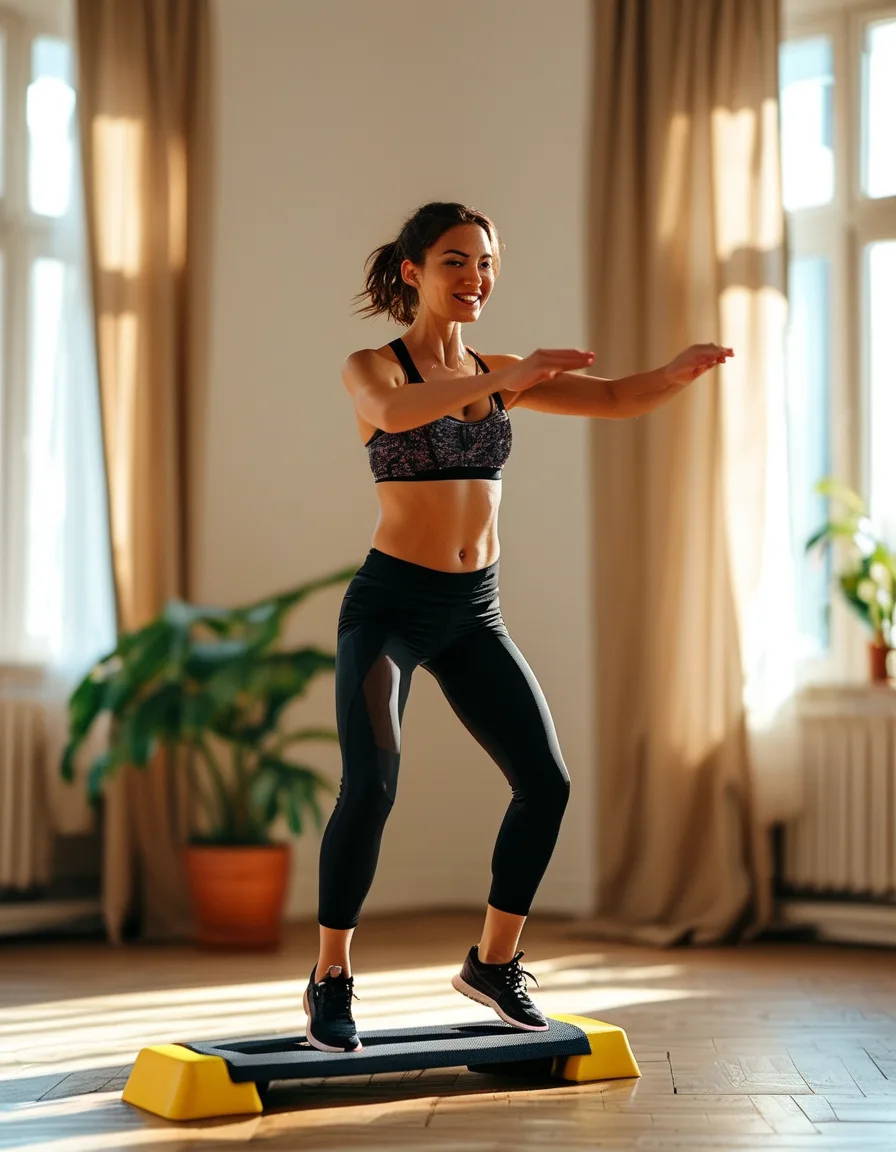
Quick Answer: Bouncing on a mini trampoline is effective, joint-friendly cardio for weight loss when you bring real effort and structure — intervals and added movements, not casual bouncing. Paired with balanced eating and consistency, it supports steady fat loss while also building better balance, stamina, and mood.
The mini trampoline sitting in the corner of your living room can look more like a toy than a workout tool — until you do ten real minutes of intervals on it and end up sweatier than half your gym sessions. It burns calories, it’s gentle on your joints, and it’s fun enough that you actually keep showing up. But casual bouncing while you scroll your phone won’t do much; you need real effort.
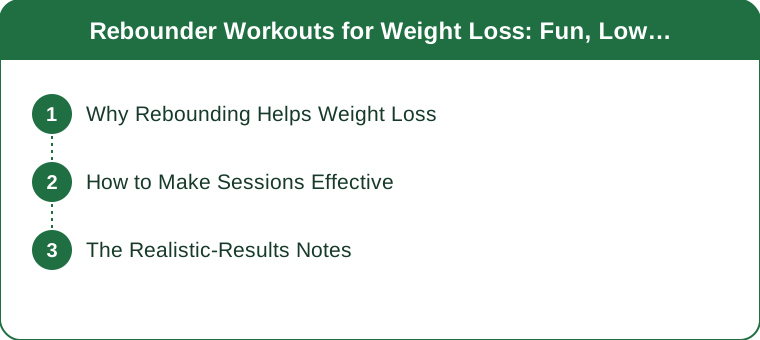
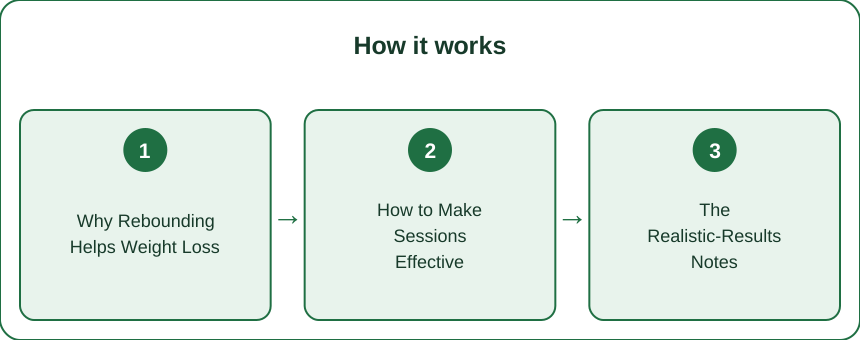
Does rebounding actually help you lose weight?
Rebounding earns its reputation through a few real advantages:
- The calorie burn is real — energetic, continuous bouncing burns meaningful calories, not a token amount.
- It’s low-impact — the trampoline surface absorbs the landing shock, so it’s gentler on your knees, hips, and ankles than pavement running.
- It’s a full-body effort — your legs, core, and stabilizing muscles are all working the entire time.
- The fun factor drives consistency — a workout you enjoy is a workout you actually finish week after week.
- It’s not magic — weight loss still comes down to overall energy balance. Rebounding is a strong lever, not a loophole.
Put together, rebounding is an effective, joint-friendly, genuinely fun calorie-burner — powerful when you combine it with real effort and consistency.
How do you make a rebounding session actually effective?
Bouncing with purpose looks different from bouncing to pass time:
- Bring real effort. Casual bouncing is a warm-up, not the workout.
- Use intervals. Alternate harder bouts with easier recovery bouts for a bigger overall burn.
- Add moves. Jumping jacks, high knees, and twists on the rebounder add variety and push the burn higher.
- Build duration over time. Extend your sessions gradually as your fitness improves.
- Follow a structure. A session with a warm-up and defined rounds beats aimless bouncing.
- Show up consistently. Regular sessions compound; sporadic hard ones don’t.
- Add strength work alongside it. Strength training supports your metabolism in a way cardio alone doesn’t.
- Use a quality rebounder. A well-built one keeps bouncing safe and effective; a flimsy one just makes your joints do the work it should be absorbing.

What results can you realistically expect from rebounding?
Set your expectations here and you’ll actually stick with it:
- Consistency beats intensity. Regular, moderate rebounding outperforms occasional brutal sessions.
- Pair it with nutrition. You can’t out-bounce a bad diet — rebounding supports a deficit, it doesn’t replace one.
- Daily movement still counts. Everyday steps add to your total calorie burn alongside your sessions.
- Watch the non-scale wins. Better stamina, balance, mood, and muscle tone are real progress even when the scale is stubborn.
- Expect a realistic pace. Steady, sustainable loss beats a crash approach that doesn’t last.
- Enjoying it is the whole point. The fun factor is what keeps you consistent long enough for results to show up.
What Nobody Tells You About Rebounder Workouts
A “gentle” 10-minute rebounder video can leave your calves filing a formal complaint the next morning — low-impact doesn’t mean low-effort.
The quality of your rebounder actually matters. A cheap, flimsy one loses its bounce fast and can put more stress on your joints than a well-built one, which somewhat defeats the point of choosing it for being gentle in the first place.
Balance is its own workout. The first few sessions, you’ll spend real energy just staying upright and coordinated — that’s not wasted effort, it’s your stabilizer muscles waking up.
And here’s the part that surprises most beginners: the workouts that feel the “silliest” — bouncy jumping jacks, goofy twists — are often the ones burning the most.
Mini FAQ
How long should a rebounder workout be for weight loss?
Most effective sessions run somewhere in the 20–30 minute range once you’ve built up to it, combining intervals with added moves. Beginners can start shorter and build duration gradually as fitness improves.
Is rebounding better than running for your joints?
Rebounding is generally gentler on the joints than running on pavement, since the trampoline surface absorbs much of the landing impact. That makes it a solid option if you want cardio without the pounding, though it still requires bringing real effort to get a comparable calorie burn.
Can you lose belly fat just by rebounding?
Rebounding can’t spot-reduce fat from any one area, including your belly — fat loss happens overall, driven by your total energy balance. What rebounding does is contribute real calorie burn toward that overall deficit, especially when combined with balanced eating and strength work.
TL;DR
- Rebounding is joint-friendly, full-body cardio that genuinely burns calories — but casual bouncing isn’t enough.
- Make it count with intervals, added moves, structured sessions, and consistency.
- Pair it with balanced eating and daily movement; you can’t out-bounce your diet.
- Track non-scale wins like stamina, balance, and mood alongside the scale.
- If you have joint injuries, balance concerns, or postpartum pelvic floor issues, check with a doctor or physical therapist before starting.
Keep Reading
This article is for general informational and styling purposes only. Fit, sizing, and product availability may vary.