Rebounding for Balance and Bone: The Gentle Bounce Case for Every Age Past Fifty
The mini trampoline looks like young people’s equipment and quietly serves the opposite demographic best — the balance training, bone stimulus and joint-gentle cardio that the past-fifty body specifically needs. The senior rebounding guide: the evidence, the progression and the confidence protocol.
The Evidence
Why bouncing serves aging bodies: the balance findings (the rebounder studies in older adults showing improved balance and reduced fall risk — the unstable-surface training that sharpens the ankle-hip reflexes per the balance doctrine; the fall-prevention stakes from the longevity doctrine), the bone stimulus (the gentle-impact loading that bone wants — the bounce as the joint-friendly version of the impact medicine from the bone doctrine; the density defense without the pavement), the joint economics (the mat absorbing the landing forces — the cardio for the knees that pavement bills per the low-impact doctrine), the lymph-and-circulation wing (the gentle bounce’s fluid-moving case from the lymph doctrine — the legs that swell served), the cardio legitimacy (the health-bounce heart-rate data — the zone-2 achievable at gentle intensity per the base doctrine), and the honest framing (the rebounder as one tool beside the strength-and-walking foundation from the muscle doctrine — the bounce complementing, never replacing, the resistance work).
The Senior-Safe Progression
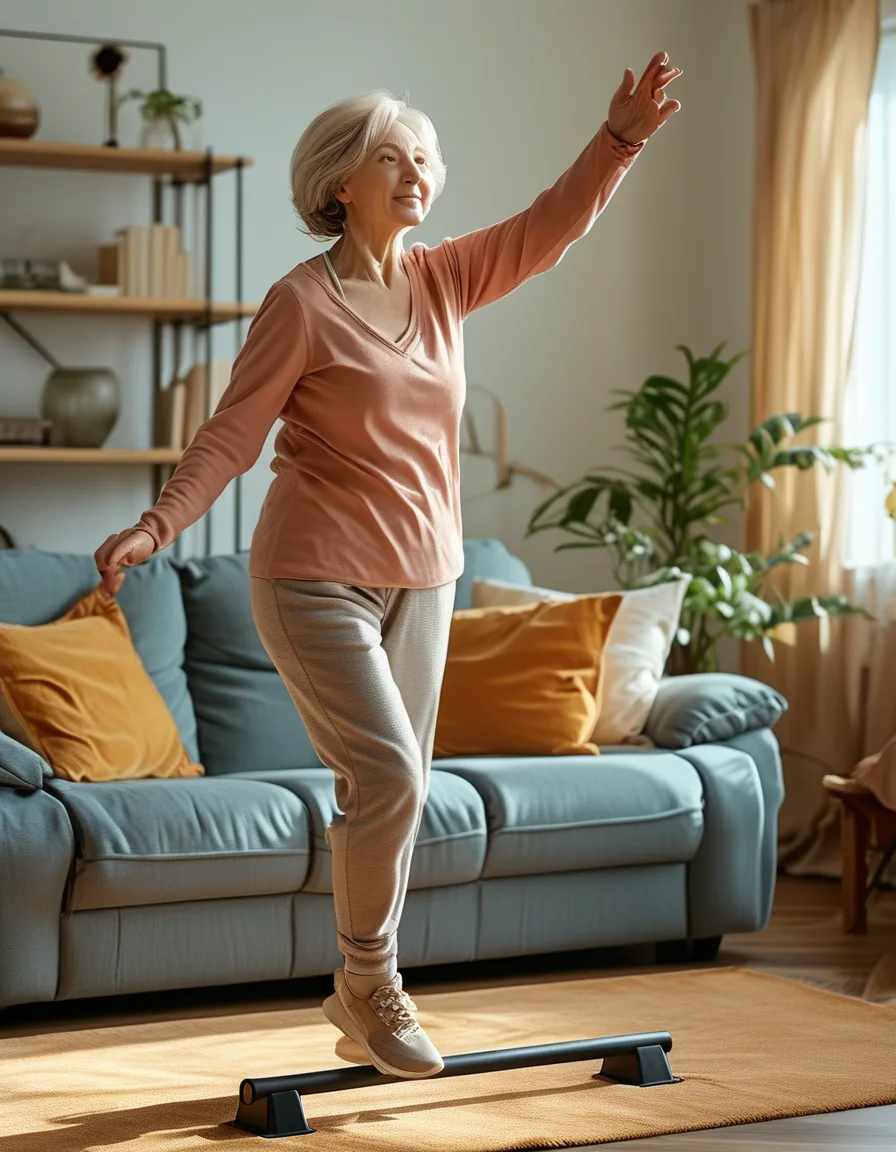
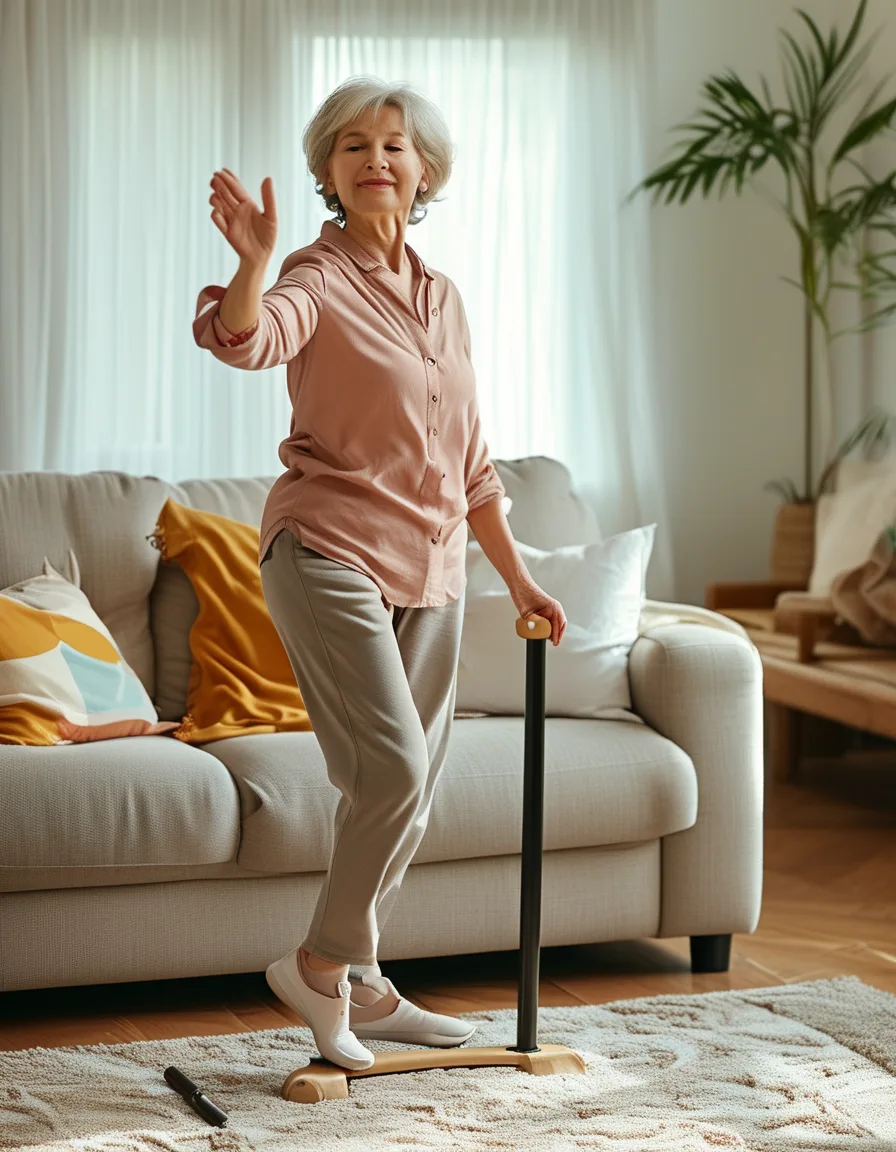
The confidence ladder: stage one — the seated bounce (the sitting-on-the-rebounder gentle bounce — the vestibular introduction; the zero-fall-risk entry for the cautious), stage two — the supported health bounce (the standing feet-never-leave-mat bounce with the stability bar — the T-bar from the buying doctrine as the scaffold; the two-minute sessions grown to ten), stage three — the free-standing health bounce (the bar released for seconds, then minutes — the balance training beginning in earnest; the bar within reach always), stage four — the movement additions (the weight shifts, the gentle twists, the heel raises on the mat — the balance challenges layered per the progression doctrine), stage five — the low-jump option (the feet barely leaving the mat — the impact stimulus for the bone-priority; the fully optional tier: the health bounce alone carrying most benefits), the weekly shape (the daily short sessions over rare long ones — the 5-10 minutes once-or-twice daily per the frequency doctrine), and the medical notes (the osteoporosis-diagnosed and balance-disorder readers clearing the plan with providers first per the medical doctrine — the recent-fall history starting at stage one with supervision).
The Confidence Protocol
The head game of balance work: the fear-of-falling loop (the fall anxiety that reduces activity that worsens balance — the spiral from the balance doctrine; the rebounder with a bar being a safe place to break it), the environment setup (the rebounder against a wall corner — the bar, the wall and the clear floor as the three-sided safety net; the grip socks and the good lighting), the session ritual (the same time daily — the habit anchor from the routine doctrine; the TV-pairing option from the screen doctrine making it automatic), the progress markers (the bar-free seconds counted — the eyes-moving-while-bouncing challenges; the visible weekly gains that fund confidence per the tracking doctrine), the family involvement (the grandchild bounce sessions from the grandparent doctrine — the play that disguises the training; the shared equipment that normalizes), and the identity note (the bouncer at seventy being the person who takes balance seriously — the fall-prevention as active practice, not passive fear; the confidence rebuilt bounce by bounce per the confidence doctrine).
The Integration Frame
The bounce in the week: the program placement (the rebounder as the daily balance-and-circulation dose — the strength training from the muscle doctrine twice weekly beside it; the walking base underneath per the walking doctrine), the morning-stiffness use (the gentle bounce as the wake-up circulation from the morning doctrine — the joints eased into the day), the weather-proof value (the indoor cardio that no forecast cancels — the winter-months insurance from the indoor doctrine), the social options (the bounce-along videos and the senior-fitness communities — the class formats for the group-motivated per the community doctrine), the equipment reminder (the bungee-and-bar configuration from the buying doctrine being the senior spec — the quality purchase for the daily-use plan), and the closing image (the seventy-year-old health-bouncing through the news — the balance sharpening, the bones loaded, the legs pumping; the equipment that looks like a toy doing the decade’s most serious work; the bounce, gentle and compounding). Seated then supported then free, daily short sessions, bar always in reach: the balance, rebuilt gently.
Rebounding improves balance and fall-risk markers in older adults while loading bone gently — progress from seated bounce to bar-supported health bounce to free-standing over weeks, 5-10 minutes daily. Bungee-plus-stability-bar is the senior spec; clear it with your provider if diagnosed with osteoporosis.
Keep Reading
This article is for general informational and styling purposes only. Fit, sizing, and product availability may vary.