Does Rebounding Really 'Detox' Your Lymphatic System? Here's What's Actually True
Quick Answer: Rebounding does stimulate lymphatic fluid movement through repeated gravitational loading and unloading, which is a real physiological mechanism — but the popular ‘detox’ framing overstates it; the accurate claim is improved lymphatic circulation, not toxin removal, which the lymphatic system doesn’t work by ‘flushing’ in that sense anyway.
Rebounding marketing loves the word ‘detox,’ but the actual mechanism behind why bouncing helps your lymph system is both real and more modest than the marketing suggests — worth understanding so you know what you’re actually getting.
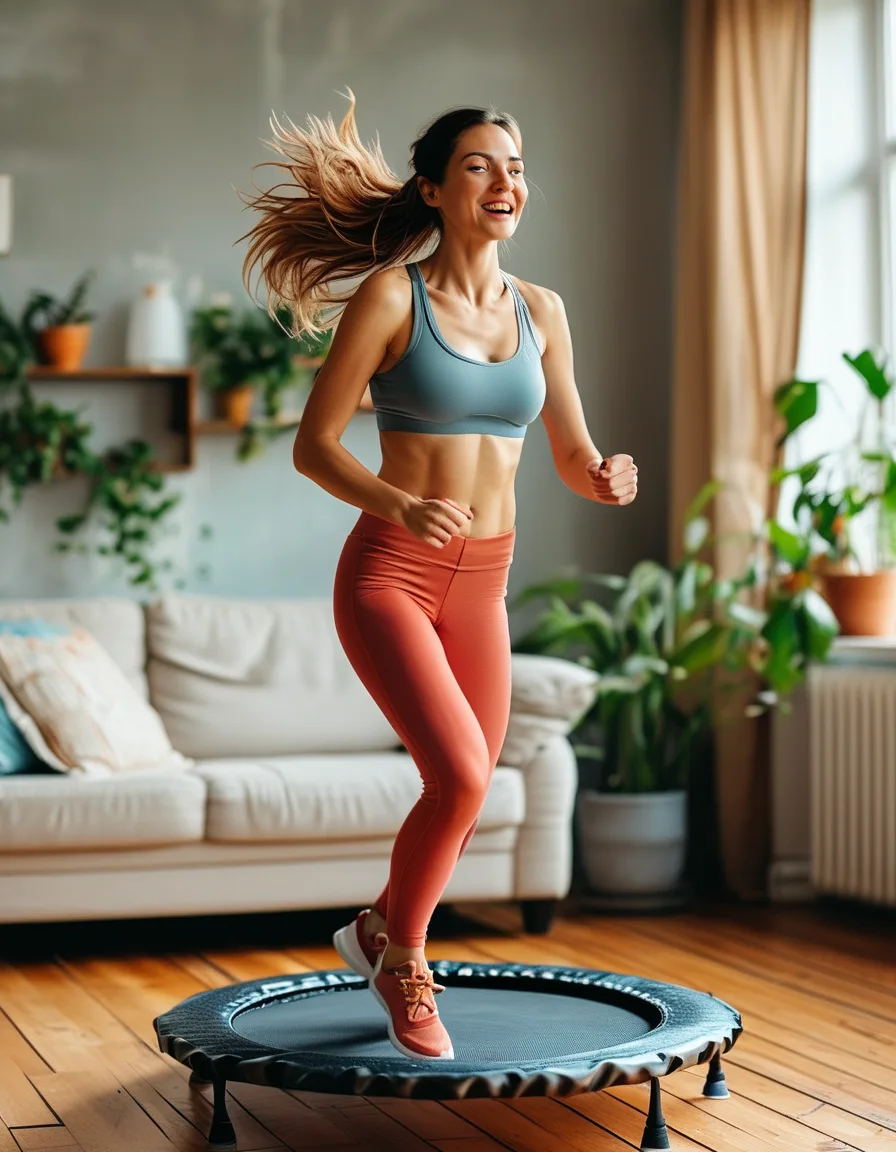
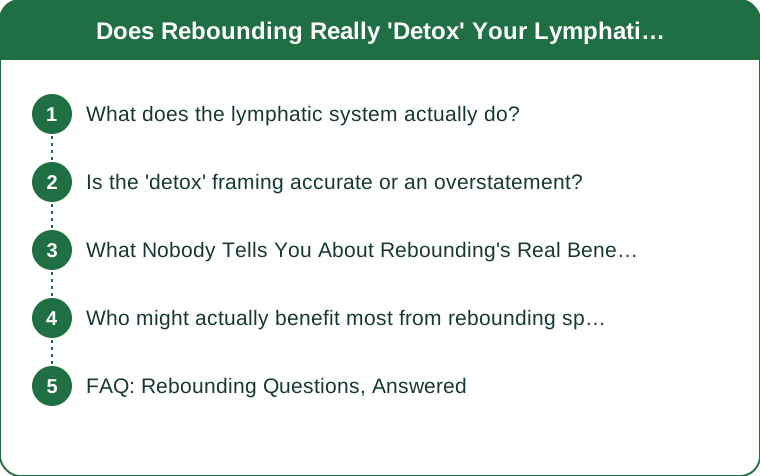
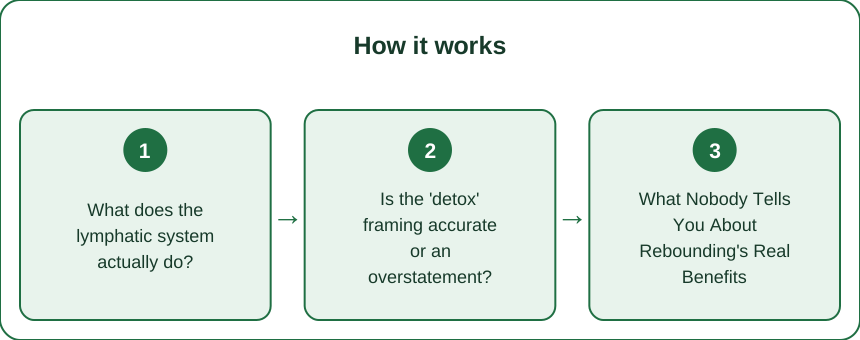
What does the lymphatic system actually do?
Unlike blood, which is pumped by the heart, lymph fluid relies on muscle contraction and movement to circulate — it has no central pump. This fluid carries immune cells and helps clear cellular waste products through lymph nodes, not through a ‘detox flush’ mechanism marketed products imply.
The rebounding claim’s real basis: the repeated up-down gravitational loading of jumping stimulates lymphatic valves and fluid movement more than many other forms of low-impact exercise, which is a legitimate finding in some research on rebounding specifically.
Is the ‘detox’ framing accurate or an overstatement?
It’s an overstatement. Improved lymphatic circulation supports normal immune function and fluid balance — it’s not equivalent to removing toxins your liver and kidneys already process. The lymphatic system doesn’t accumulate ‘toxins’ that need a special bouncing workout to release; it continuously processes fluid as part of normal physiology.
The genuinely supported benefit is better circulation and reduced fluid retention/swelling for some people, not detoxification in the marketed sense.
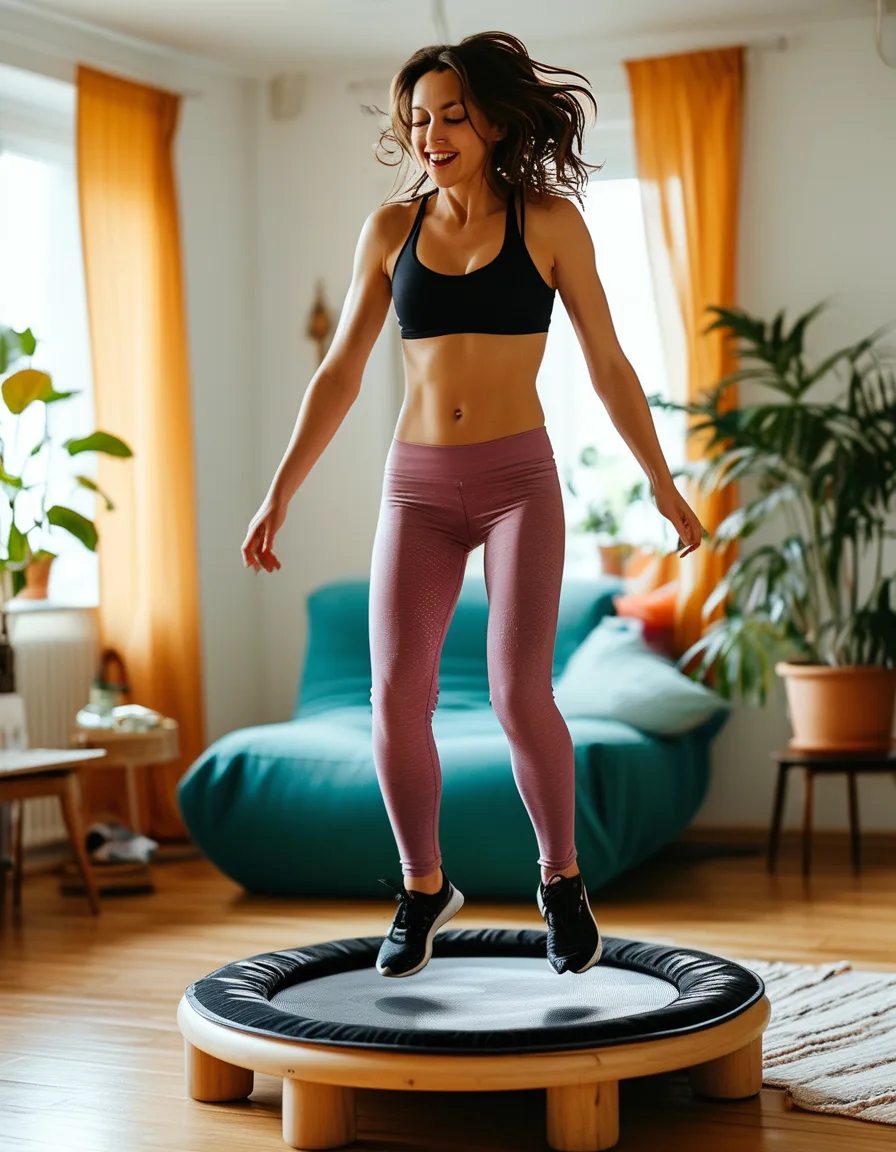
What Nobody Tells You About Rebounding’s Real Benefits
The most consistently supported benefits of rebounding aren’t lymphatic at all — they’re cardiovascular conditioning with lower joint impact than running, and improved balance and proprioception from the unstable surface challenging stabilizer muscles more than flat-ground exercise.
Most rebounding marketing leads with the lymph/detox angle because it sounds novel, when the actual best-supported case for rebounding is simply ‘effective low-impact cardio that also trains balance.‘
Who might actually benefit most from rebounding specifically?
People with joint sensitivity who need lower-impact cardio than running, and people specifically wanting to train balance and ankle stability alongside cardio, get the clearest documented benefit. People expecting a specific detox or toxin-clearing effect are chasing a benefit that isn’t well supported as marketed.
Pregnant people and those with certain joint or balance conditions should check with a doctor before starting, since the unstable surface changes the injury risk profile compared to flat-ground cardio.
FAQ: Rebounding Questions, Answered
Is rebounding actually easier on joints than running?
Yes — the trampoline surface absorbs a significant portion of impact force compared to running on pavement, which is well documented and a genuine benefit for joint-sensitive people.
How much rebounding do you need for a real cardio benefit?
20-30 minutes of continuous or interval-based bouncing at a moderate-to-vigorous intensity provides a comparable cardiovascular training stimulus to other moderate cardio activities.
Can rebounding help with swelling or fluid retention?
Some people report reduced lower-limb swelling with regular rebounding, plausibly linked to the circulation mechanism — but this is different from a systemic ‘detox’ claim and isn’t guaranteed for everyone.
TL;DR:
- Rebounding does stimulate lymph fluid movement — that mechanism is real
- ‘Detox’ framing overstates it; the lymphatic system doesn’t work by flushing toxins that way
- The best-supported benefits are low-impact cardio and balance training
- People with joint sensitivity get the clearest documented benefit from rebounding
Enjoy rebounding for the cardio and balance benefits — skip the detox marketing claim.
Keep Reading
This article is for general informational and styling purposes only. Fit, sizing, and product availability may vary.